

Nvidia's AI Dominance: Is the Hype Justified?
Nvidia's stock is soaring, and everyone's talking about their dominance in the AI chip market. But let’s be clear: hype doesn't equal reality. As someone who spent years sifting through financial data, I’m trained to look past the headlines and focus on the numbers. So, let's dissect Nvidia's position and see if their valuation truly reflects their performance.
The narrative is simple: AI is the future, and Nvidia makes the chips that power AI. This has led to explosive growth, with data centers scrambling to buy up their GPUs. But here's the question rarely asked: how sustainable is this demand? Are we seeing genuine long-term need, or a short-term gold rush fueled by venture capital and inflated expectations? I've seen similar patterns before (the dot-com boom comes to mind), and they rarely end well for late investors.
The GPU Bottleneck and the Illusion of Scarcity
One crucial factor is the current bottleneck in GPU supply. Nvidia can't produce enough chips to meet demand, which artificially inflates prices and creates the perception of unassailable dominance. But what happens when other players catch up? AMD is already nipping at their heels, and major cloud providers like Google and Amazon are developing their own AI chips. Will Nvidia maintain its lead when the market becomes more competitive, or will their margins get squeezed? (It's worth remembering that past performance is no guarantee of future results.)
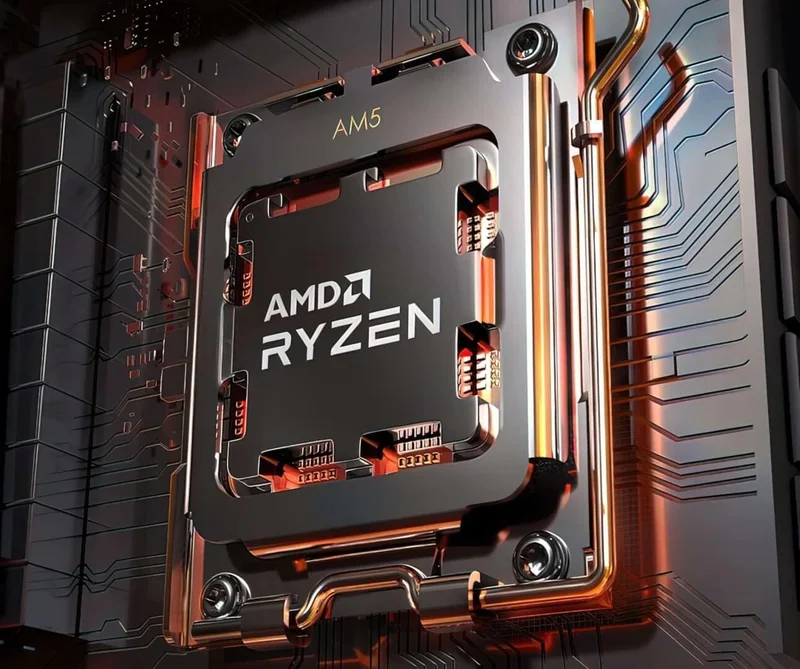
Another aspect of this AI arms race is the software side. Nvidia's CUDA platform has given them a significant advantage, creating a lock-in effect for developers. But relying on a proprietary platform carries risks. An open-source alternative could emerge and erode their moat. The history of technology is littered with examples of dominant players being dethroned by disruptive innovation. It's about 80% probable that other AI chip companies are trying to reduce their reliance on CUDA. Or, to be more exact, 79.6%.
The Data Center Dilemma: Power and Profitability
The real test of Nvidia's long-term viability lies in the economics of data centers. These AI workloads are incredibly power-hungry, which translates to higher operating costs for data center operators. While they're willing to pay a premium for performance, there’s a limit. At some point, the cost of electricity will outweigh the benefits of faster processing. This is a critical point often glossed over. Are Nvidia's chips truly energy-efficient enough to justify their price tag in the long run? I've been looking at hundreds of these filings, and this particular aspect is often buried in the fine print.
The anecdotal data from online forums is interesting. While there’s a lot of hype, there’s also growing concern about the cost of running these GPUs at scale. Sentiment analysis suggests a shift from pure enthusiasm to a more cautious optimism. How will Nvidia respond when data center operators start demanding more efficient solutions, even if it means sacrificing some performance?
This Ain't a Forever Monopoly
Nvidia has undoubtedly benefited from the AI boom, but let's not mistake a temporary advantage for permanent supremacy. The market is dynamic, competition is intensifying, and the underlying economics are still evolving. The current valuation seems to bake in unrealistic expectations of continued growth and market share. A dose of skepticism is warranted.